FINE - LINE TATTOOING

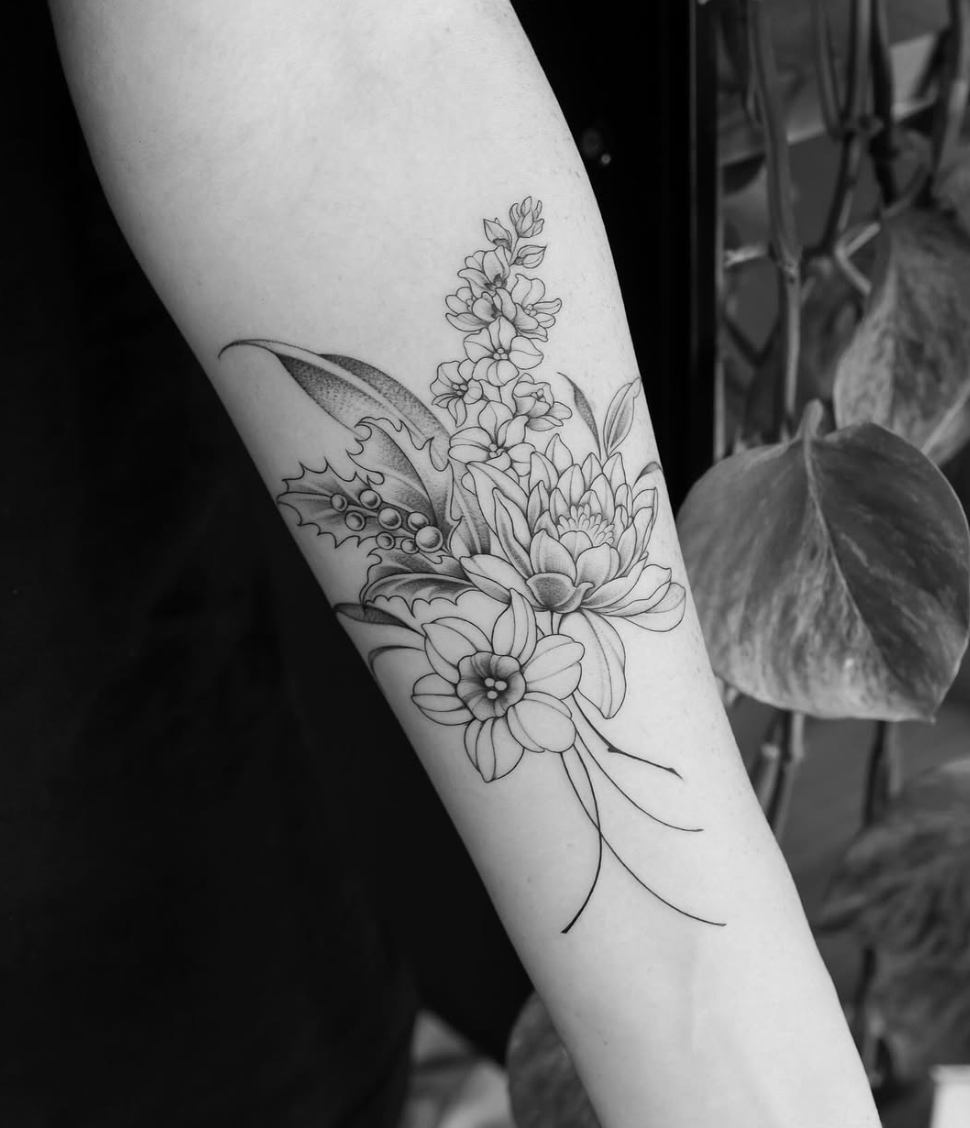
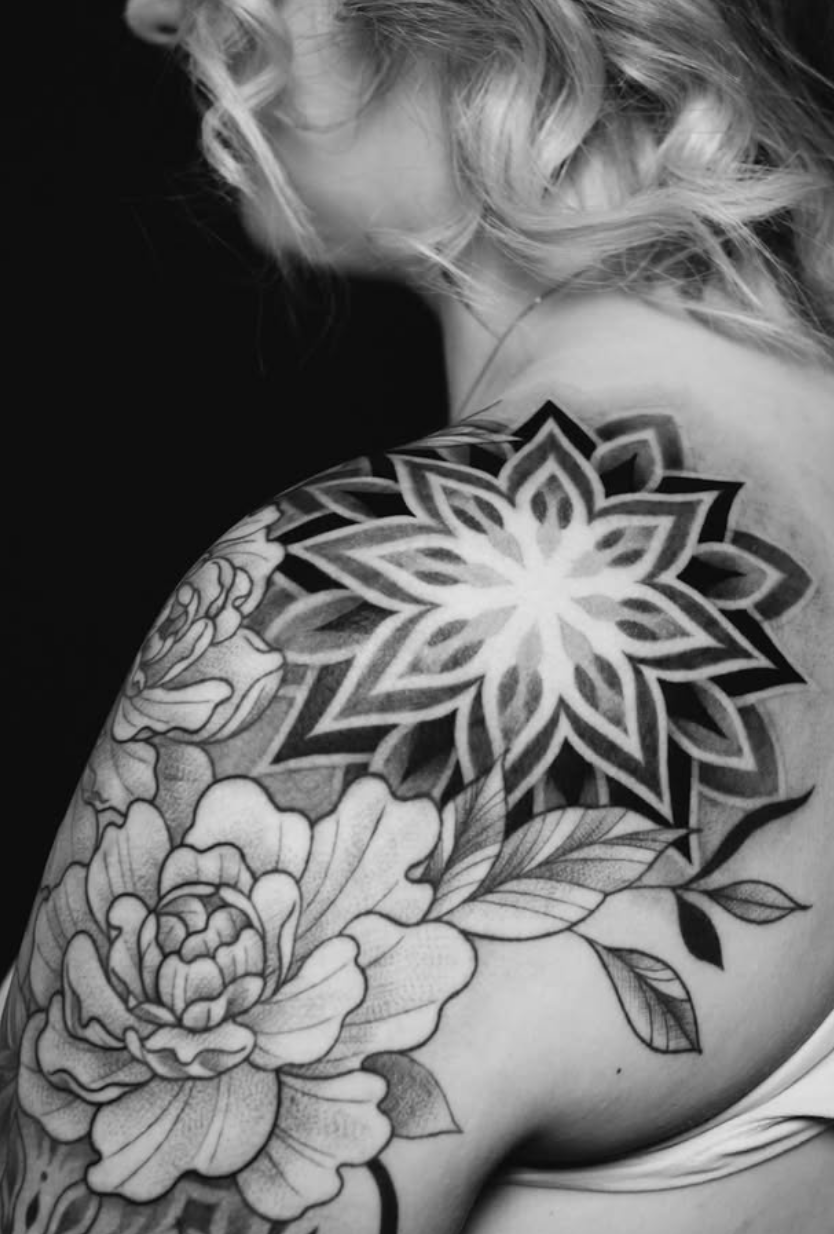
Characterized by the use of thin lines and delicate shading, fineline tattoos are a minimalists dream. 

The use of fine lines and shading creates a softer look than traditional bold line tattoos, making them ideal for more subtle or dainty designs. 

Due to their delicate look, they are prone to fading or looking blurry over time, so they may require eventual touch-ups. This is entirely dependant on various factors such as placement and general aftercare.

Your artist will speak with you about your idea and recommend ideal sizing and placements to ensure your tattoo will hold up well over time. 

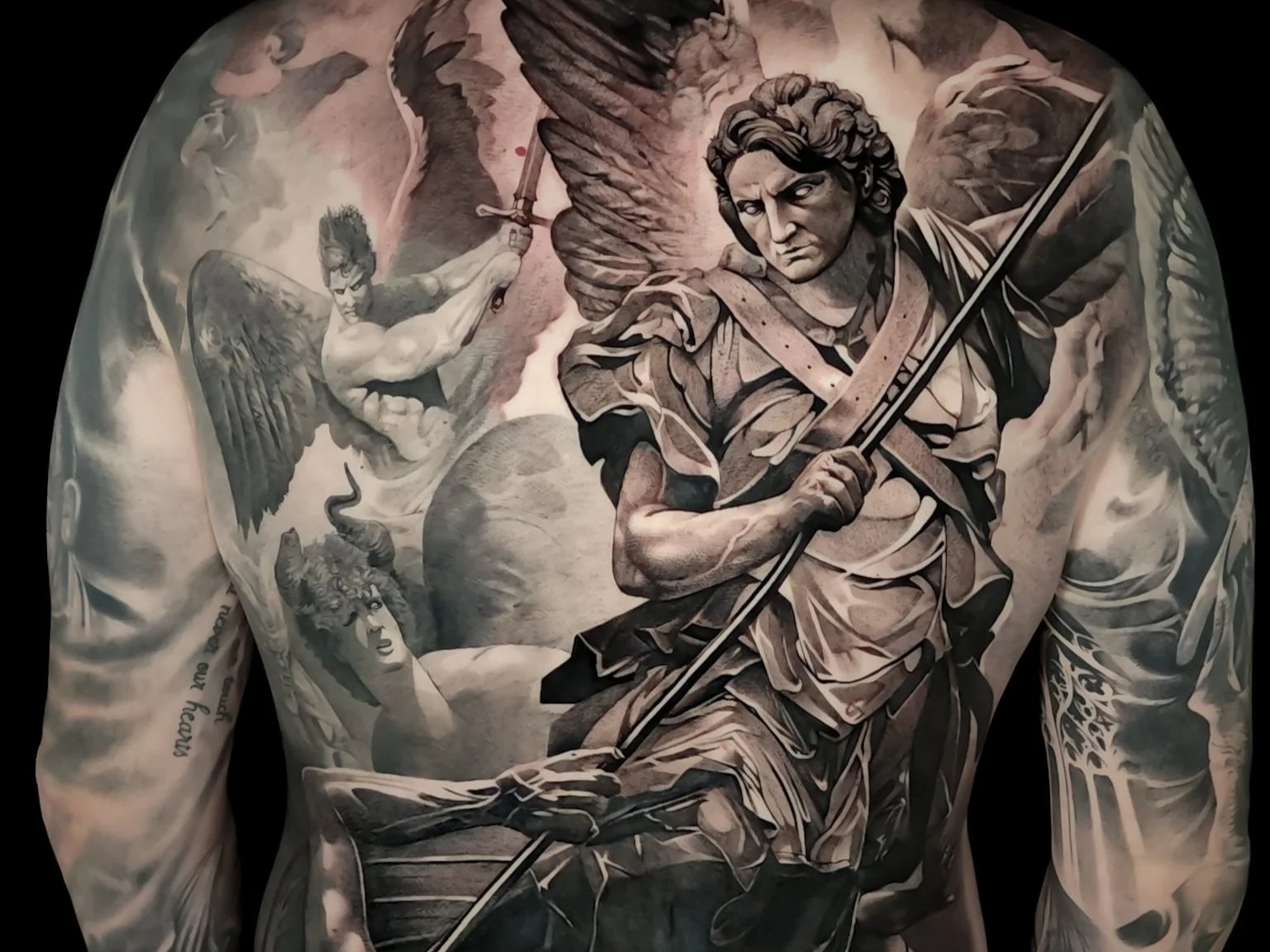
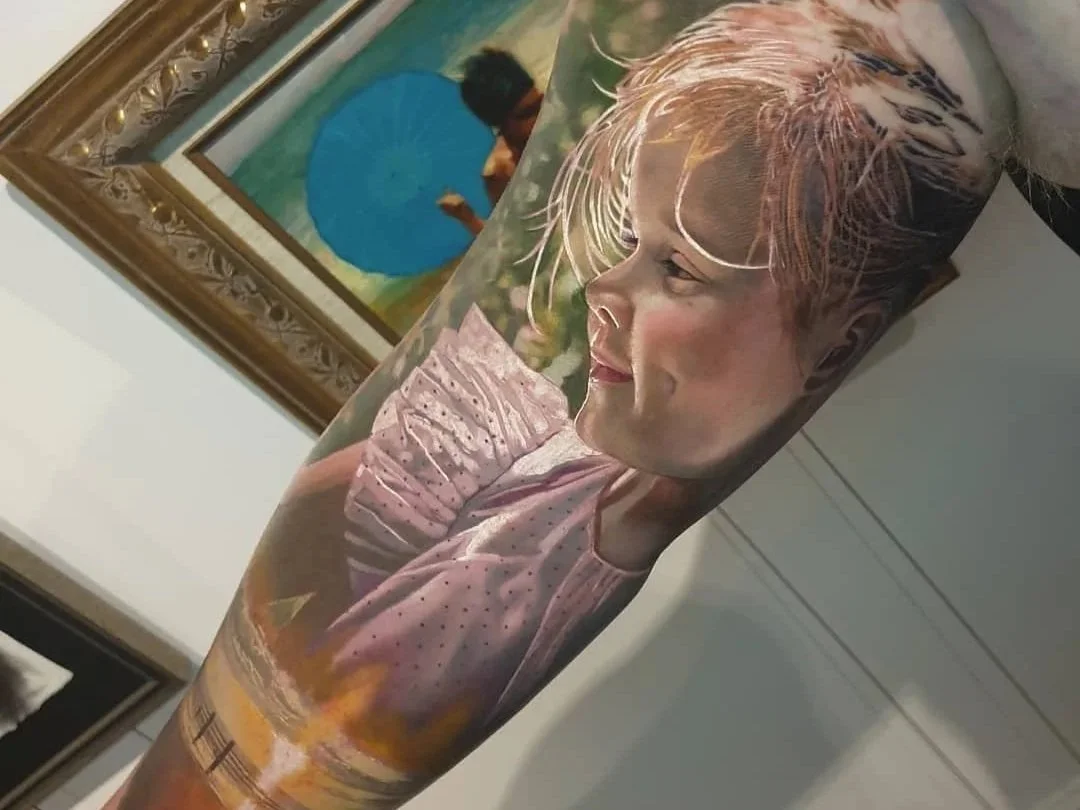
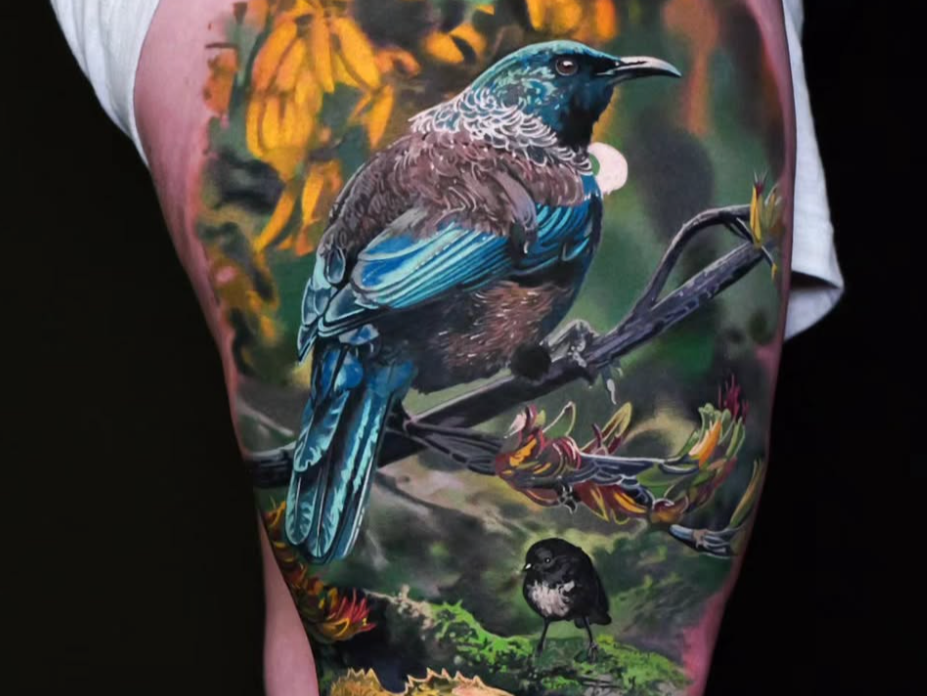
REALISM TATTOOING

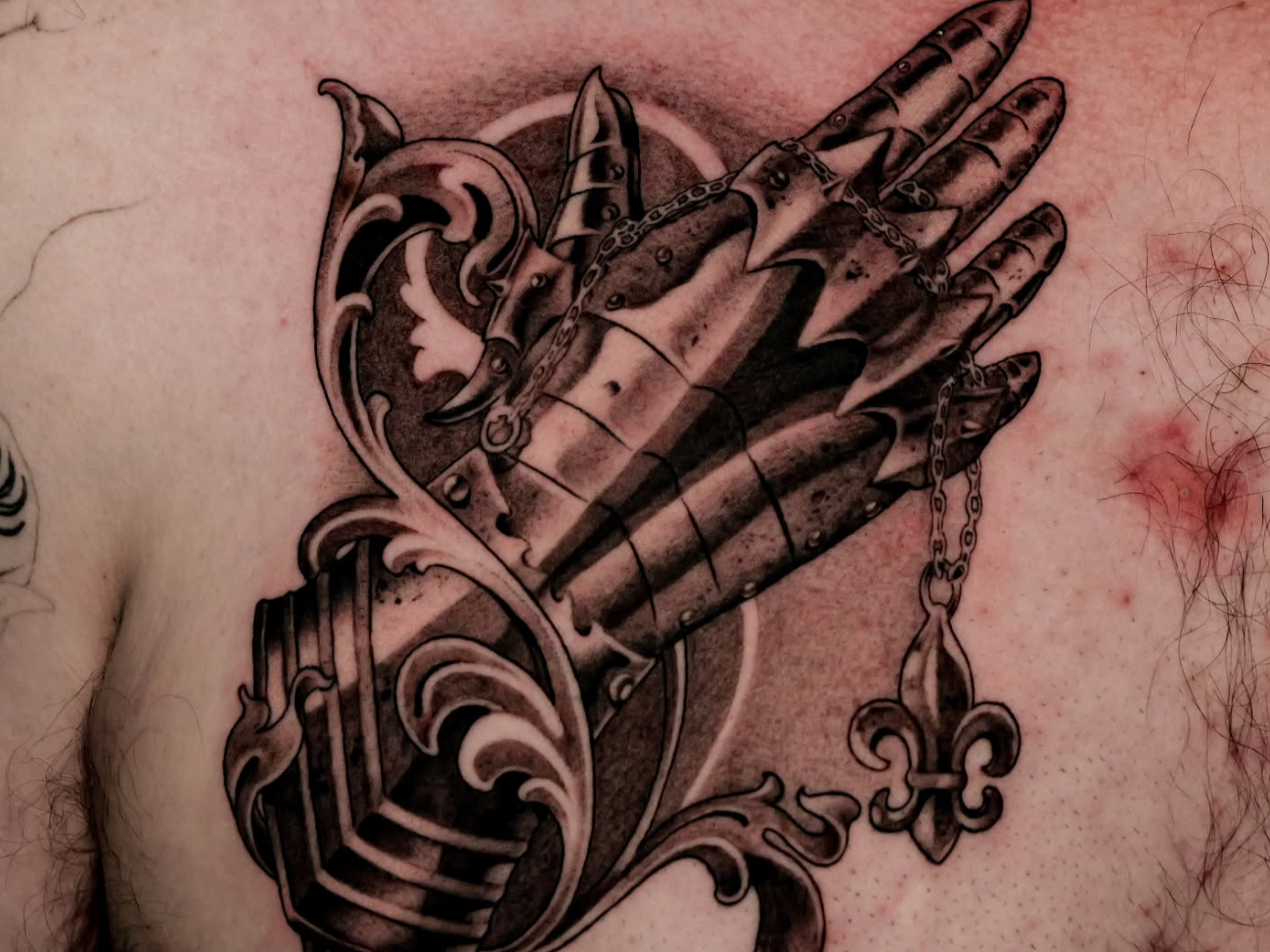
Realism or photorealism tattoos, are a style that attempts to recreate real life images, often depicting portraits, pets or landscapes with a high level of detail, depth and texture.

There are 2 sub-types, ‘black and grey’ and ‘full colour’:

To create a range of tones and levels of contrast, black and grey realism uses only black ink and shades of grey, and sometimes very small amounts of white to highlight and create the illusion of space and movement. Your artist will use techniques like fine line work, stippling, and subtle shading to create the “photorealistic” effect. 

Black and grey is an incredibly popular style for meaningful tattoos ie; memorial and tribute pieces due to their life-like appearance. 

Full colour realism is very similar, but instead uses a full scope of colours to bring your vision to life. Exaggerated colour palettes and values create a unique visual effect. 

TRADITIONAL TATTOOING

Originating in the early 19th and early 20th centuries, traditional tattooing is characterized by bold, black outlines, solid blocks of colour, and minimal palettes. 

The bold lines and solid colour blocks used in these designs are intended to be durable and stand the test of time, staying vibrant event decades later.

Due to the time period where this style of tattooing originated, popular themes for trad tattoos are rooted in military service, such as navy ships/boats, birds, pin-up girls, and classic iconography.

NEO TRADITIONAL 

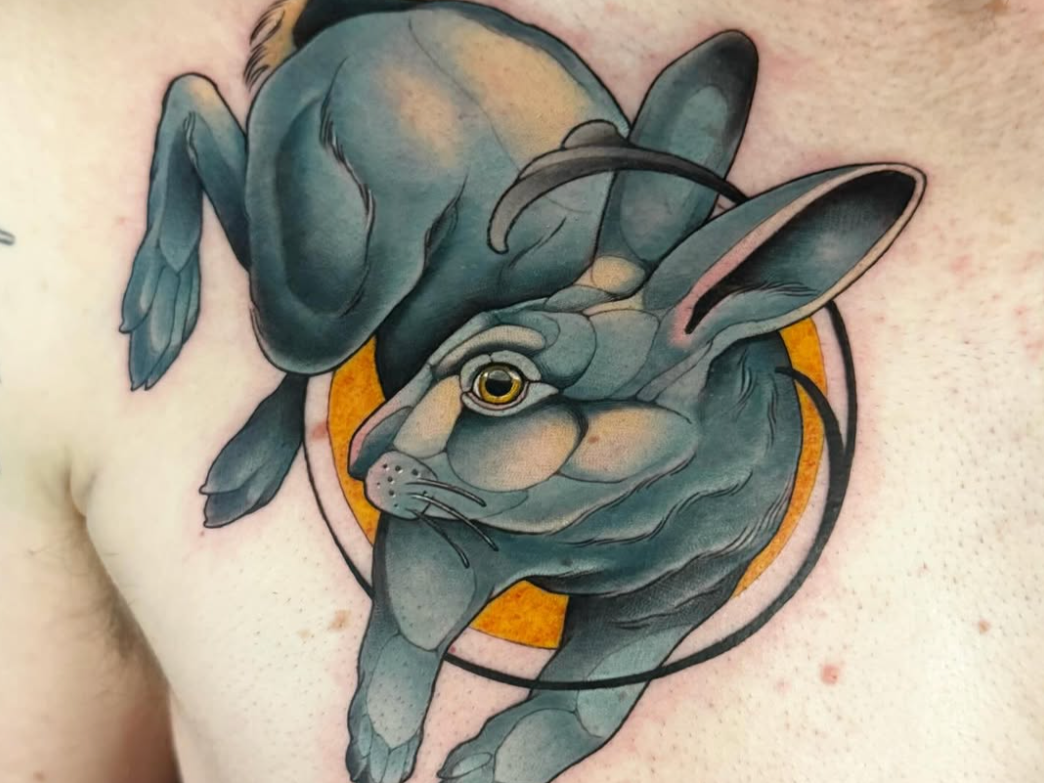
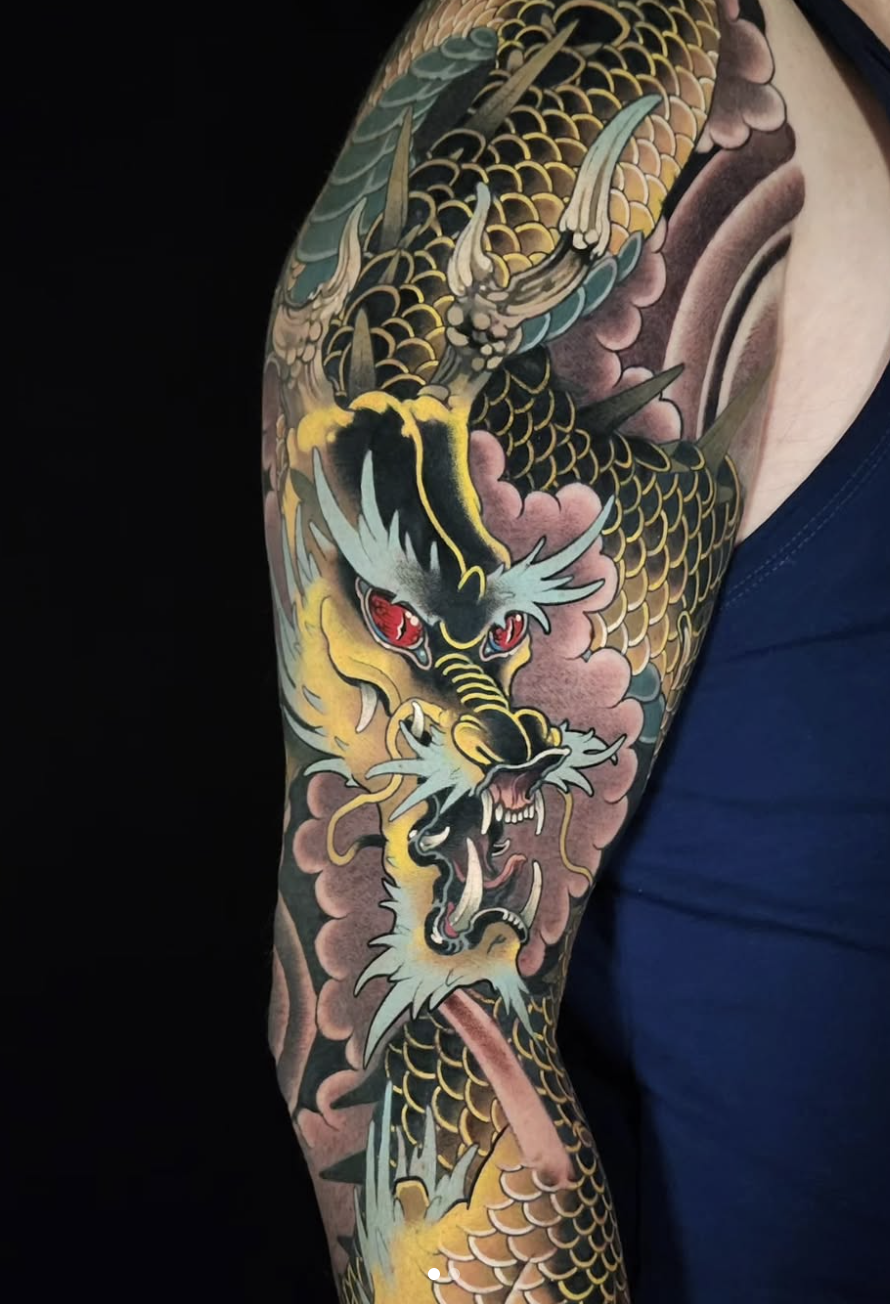
A more contemporary version of the traditional style, neo-trad involves vibrant colours, and additional shading and detail. 

While still featuring the classic bold outlines and solid colour blocks, neo-traditional tattoos use a wider colour palette, further shading and blending to develop depth and dimension, resulting in more complex texture and ‘realism’ than classic traditional styles.

This style often features nature themes including birds, animals and flora and fauna but can also draw inspiration from fantasy, pop culture and more contemporary art styles. 

Overall, neo-traditional tattoos offer a fresh and modern take on classic tattoo designs.

TA MOKO TATTOO

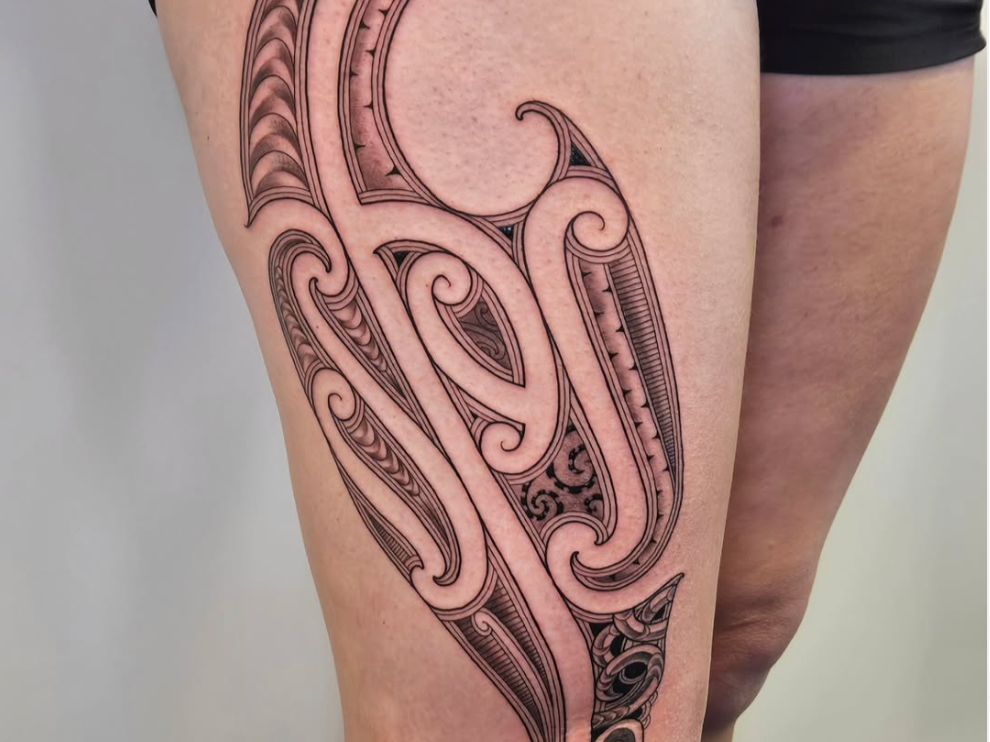
Tā Moko is the sacred bodily art form of the indigenous Māori of New Zealand. An art form that traditionally marked status, social standing and now embodies a culture, history and family. No two designs are the same, uniquely created for the individual.
Moko is divided into two main branches; Tā Moko and Kirituhi. Tā Moko is primarily for those of Māori blood and descent, while Kirituhi is for those of non Maori heritage. The distinction between the two are significant.

Tā Moko is an important cultural practice that visually signifies someone's whakapapa (genealogy), identity, and status. Kirituhi, on the other hand, (kiri meaning skin and tui meaning art) is a Maori-inspired design which does not include someone's heritage and is culturally appropriate for pakeha (someone of European descent). 

Our artists do not offer Ta Moko at Magna Tattoo, but we can create custom Kirituhi. We frequently collaborate with renowned Ta Moko artists from all around Aotearoa however and are also happy to recommend another local studio to approach.