TA-MOKO /
KIRITUHI
What is Ta-Moko and Kirituhi?
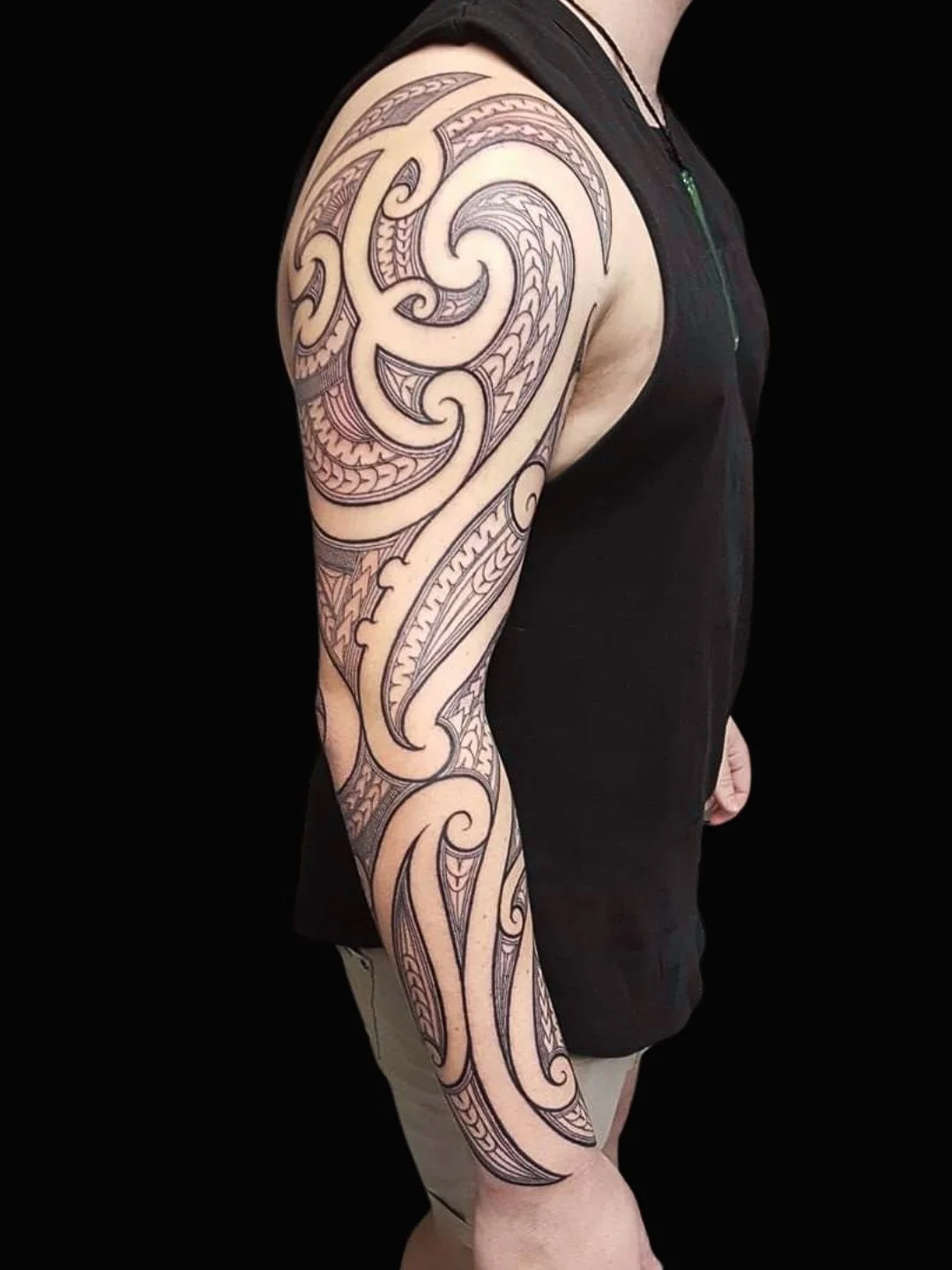
Tā Moko is the sacred bodily art form of the indigenous Māori of New Zealand. An art form that traditionally marked status, social standing and now embodies a culture, history and family. No two designs are the same, uniquely created for the individual.
Traditionally signalling status and rank, men generally received moko on their faces (moko kanohi), buttocks (raperape) and thighs (puhoro). Women usually wore moko on their lips (ngutu) and chins (kauae). Other parts of the body known to have moko include women's foreheads, buttocks, thighs, necks and backs and men's backs, stomachs, and calves
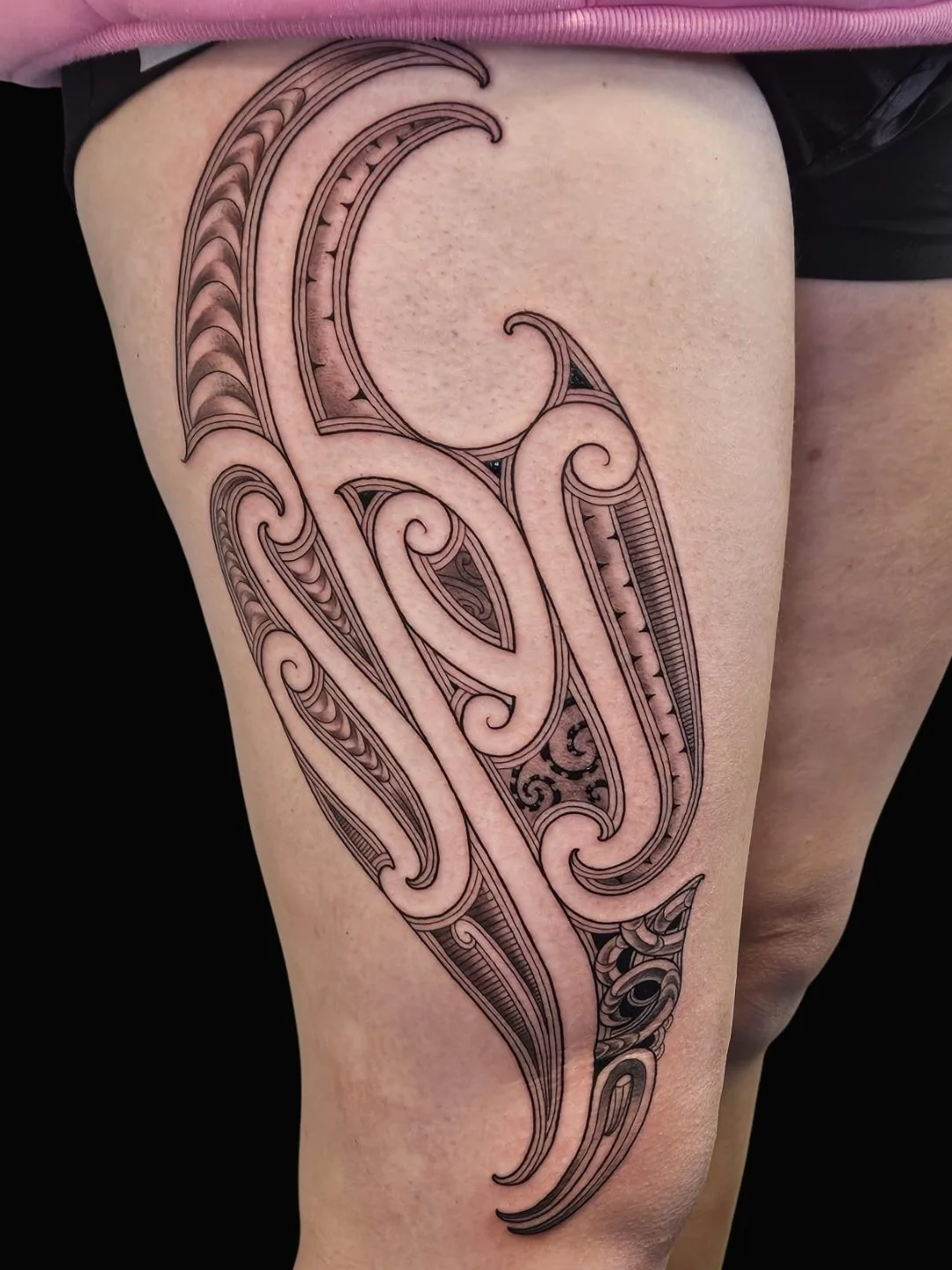
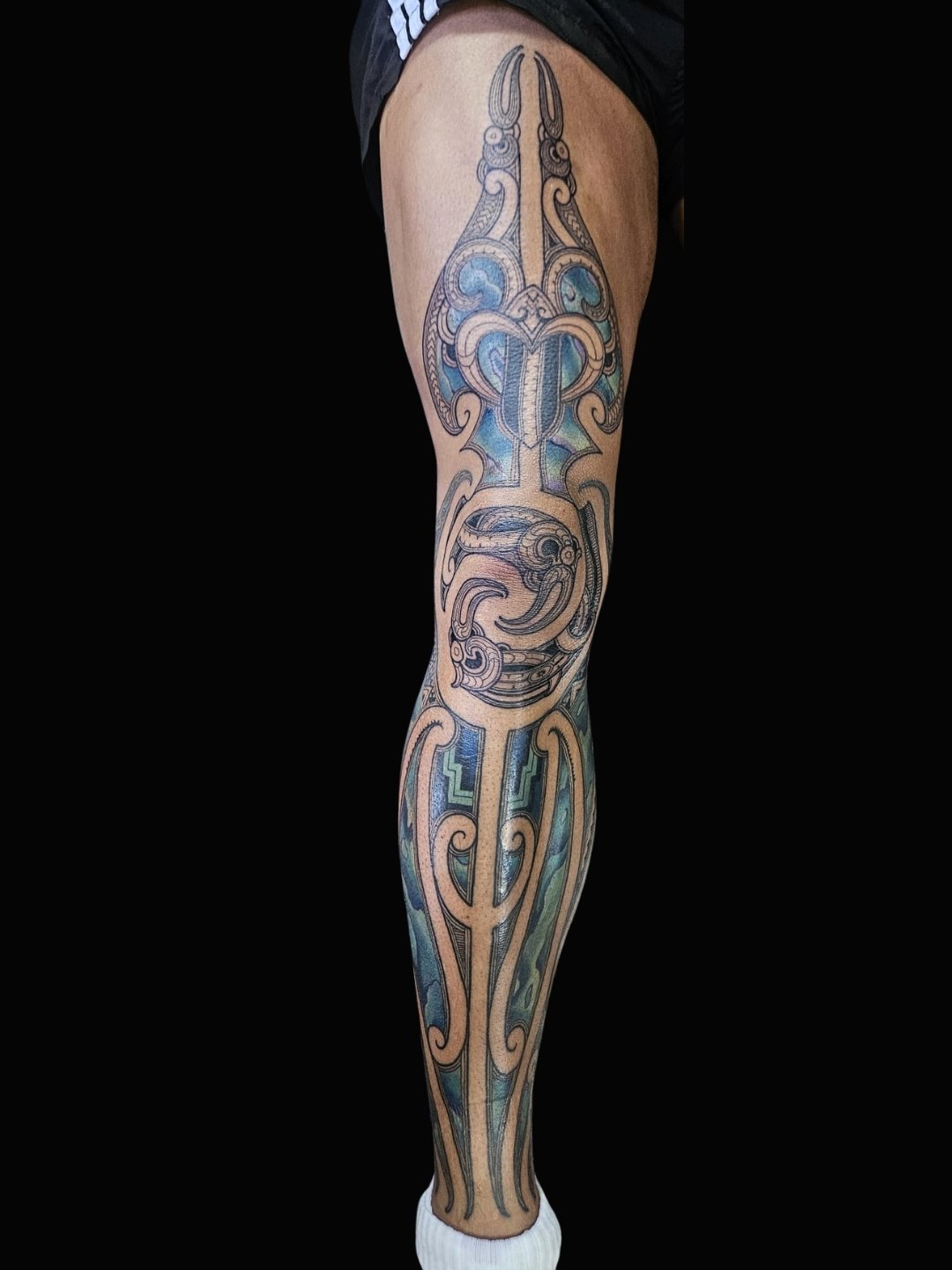
Tā Moko is an important cultural practice that visually signifies someone's whakapapa (genealogy), identity, and status. Kirituhi, on the other hand, (kiri meaning skin and tui meaning art) is a Maori-inspired design which does not include someone's heritage and is culturally appropriate for pakeha (someone of European descent).
Our artists do not offer Ta Moko at Magna Tattoo, but we can create custom Kirituhi. We frequently collaborate with renowned Ta Moko artists from all around Aotearoa however, and are also happy to recommend another local studio to approach.
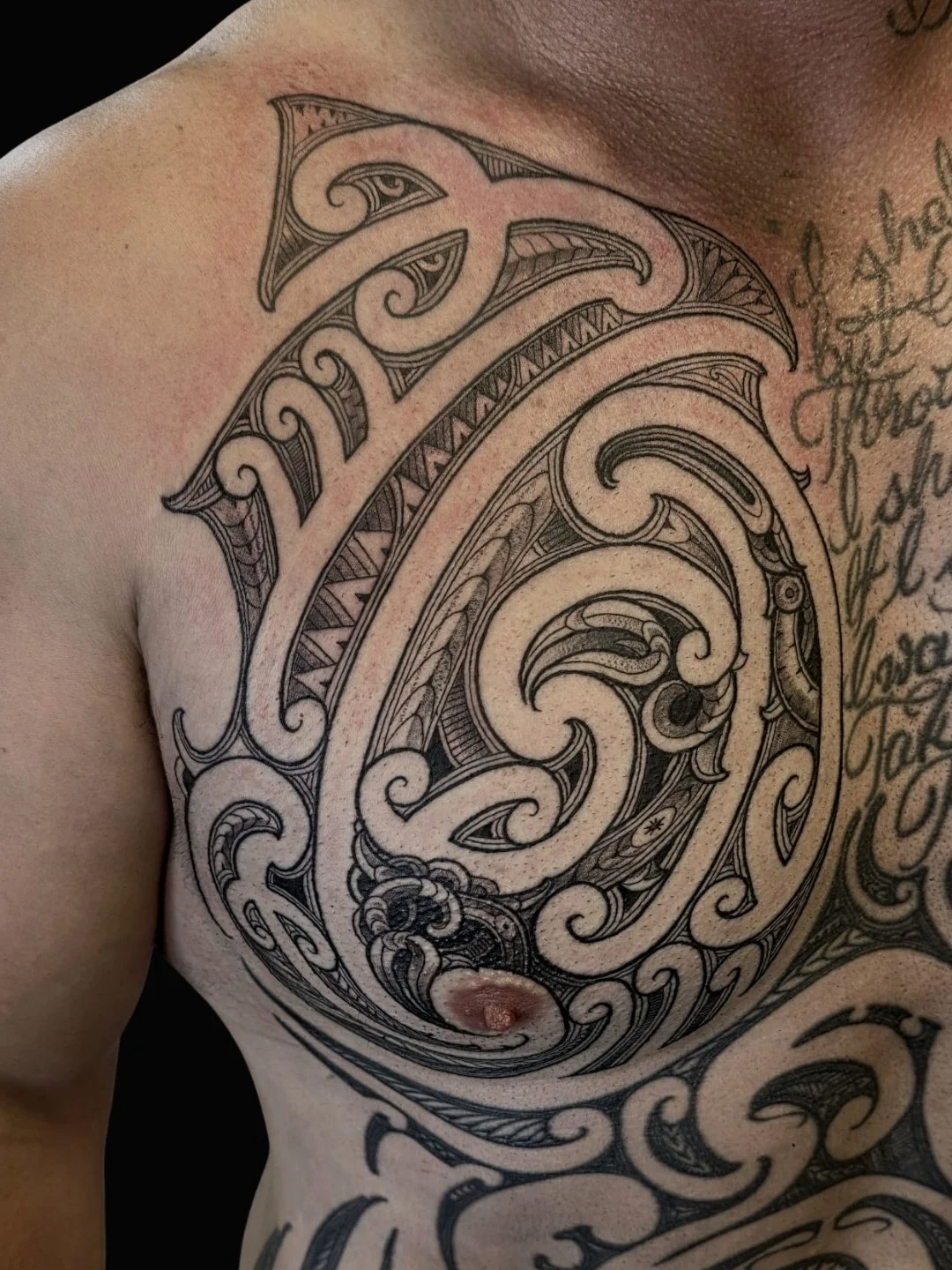
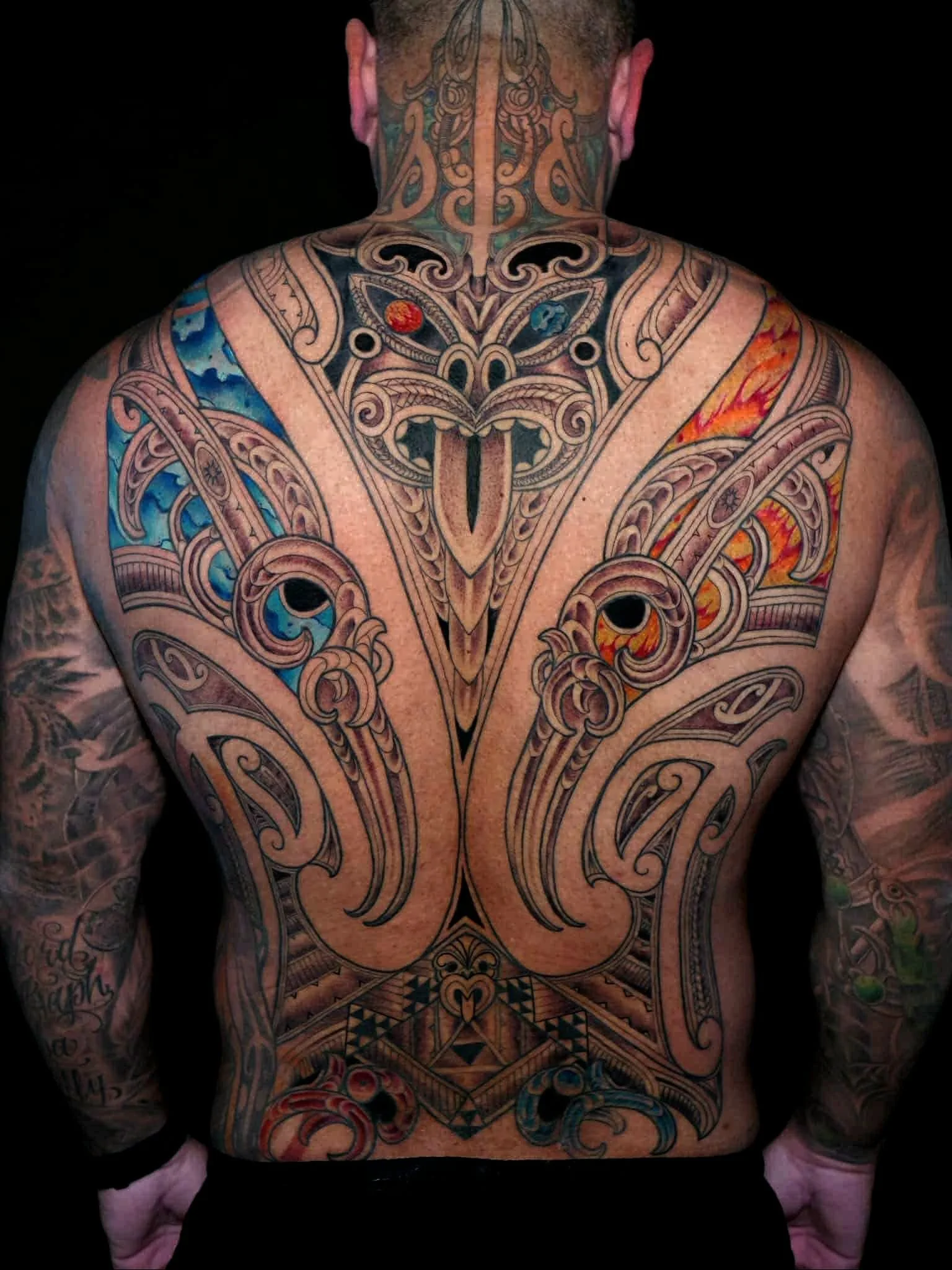
Ta Moko vs Kirituhi: An Important Distinction
Ta Moko represents one’s lineage and life story, painting a unique picture etched into the skin. Each pattern is deeply personal, representing the bearer’s whakapapa (ancestry) and important life events. The curvilinear designs, specific to Māori culture, distinguish Ta Moko from other forms of tattooing. Ta Moko isn’t simply decorative, it’s a visual language used to tell a person’s story.
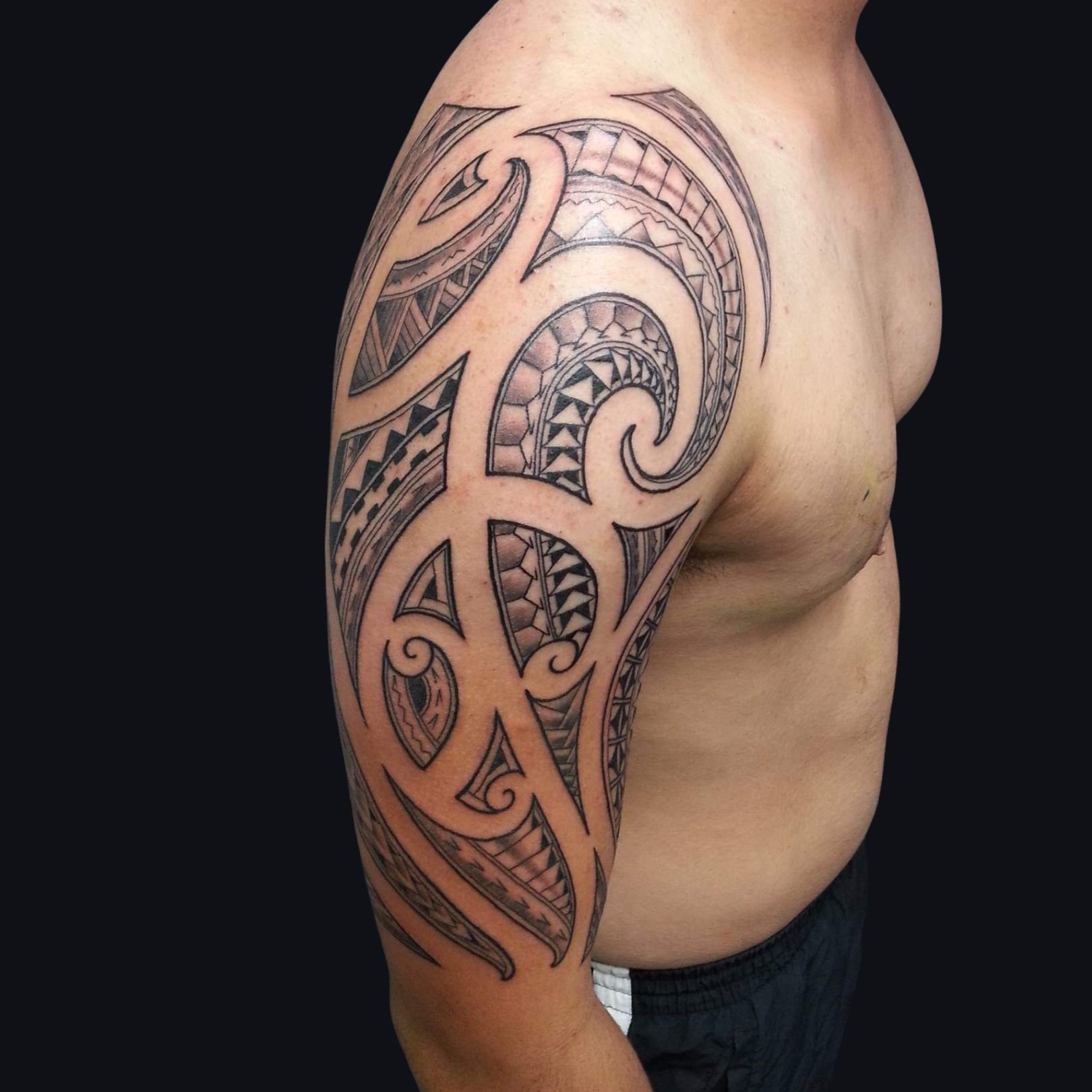
Common Ta Moko designs include koru (spirals), symbolizing new beginnings and growth, and manaia, which represents spiritual guardianship. Each element is interconnected, representing the spiritual and ancestral connection the wearer has to their past, present, and future.
While Ta Moko is reserved for Māori individuals and directly linked to their heritage and genealogy, Kirituhi (skin art) is a more general form of Māori tattooing. Kirituhi allows non-Māori to experience the beauty of Māori tattoo designs, but without the deep cultural and ancestral connections inherent in Ta Moko. It’s important to recognize this distinction and respect the cultural significance of both forms of body art.